Tie up less capital in generators.
Renting removes the need to buy your own generator. Store preparation, availability, transport and operation still need to be budgeted for.
A grocery store can be prepared to receive power from a mobile generator. The generator is delivered when needed and connected to a designated power inlet. This means each site does not need its own generator permanently on standby.
Renting removes the need to buy your own generator. Store preparation, availability, transport and operation still need to be budgeted for.
Servicing, maintenance and, where needed, a replacement generator can be included in the rental agreement. The exact scope must be agreed.
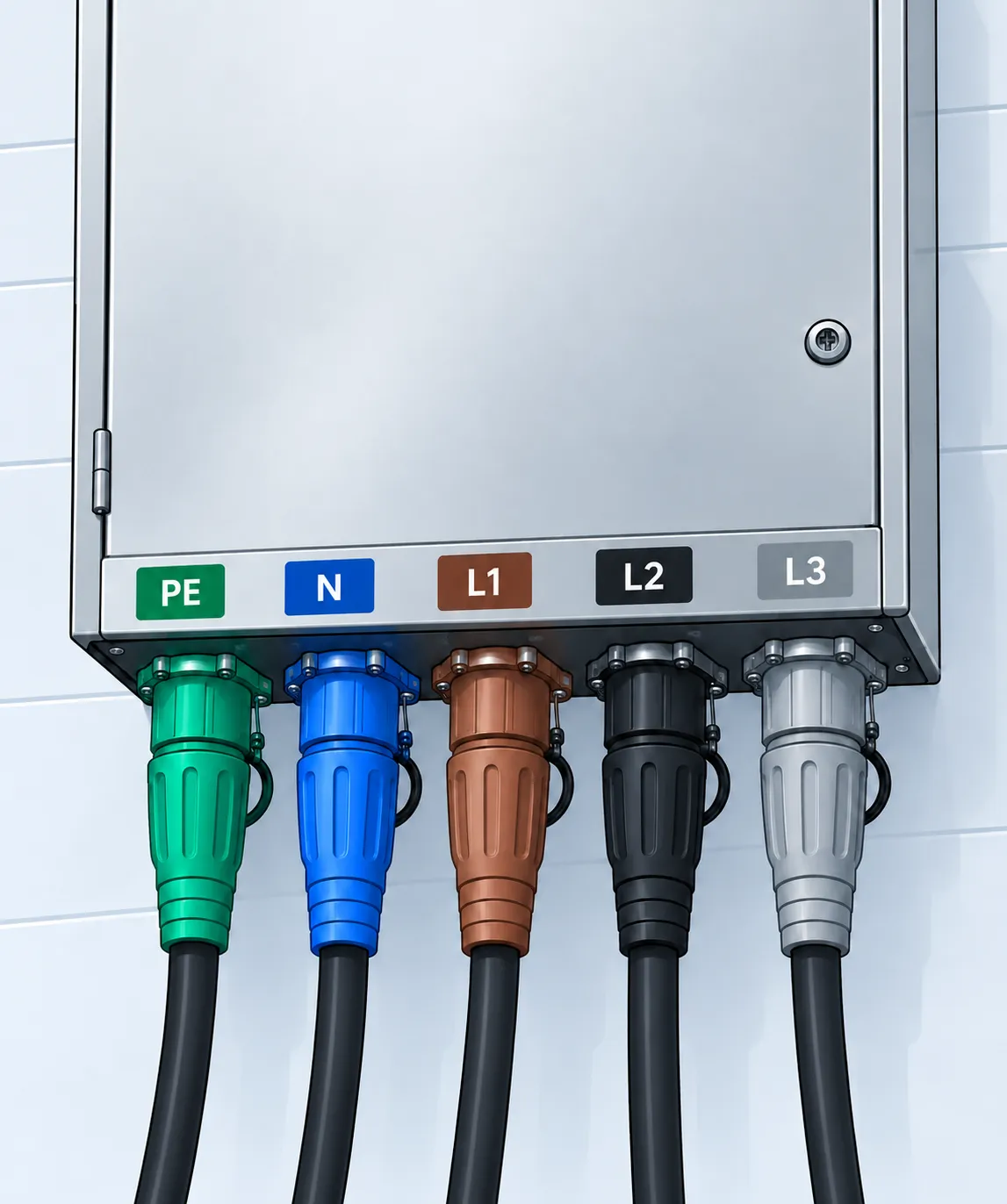
The generator is sized for the equipment it needs to supply. The key question is whether it should power only refrigeration or other store functions as well.
A different generator can be planned for after a refurbishment or when additional equipment is installed. The store’s connection and protection equipment must remain suitable.
Our 1:10 model provides one mobile generator for ten prepared stores. Rental, leasing or shared standby costs are therefore divided into one tenth per store. The number and distribution of generators depend on how many sites could be affected at the same time.
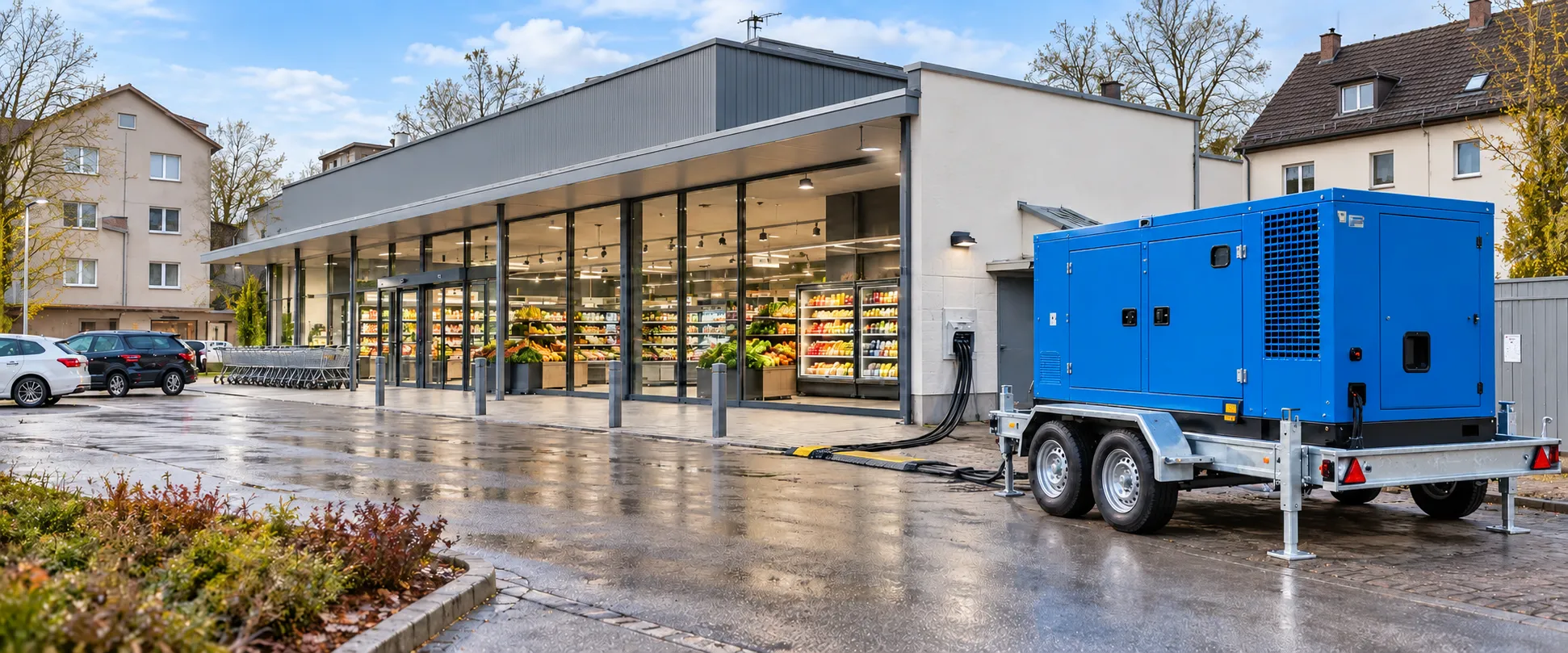
Depending on the organisational structure, several owners or cooperatives can jointly rent, lease or keep generators on standby. Equipment can also be provided through a rental pool. Responsibilities and access rights are agreed in advance.
Mobile generators can be assigned to the stores where they are most urgently needed. Criteria such as stock value at risk, remaining refrigeration time and importance for the local food supply are defined in advance.
A store can first be secured by supplying its refrigeration. Depending on the situation and available resources, limited trading or full operation may then be possible. The equipment and power levels required are planned in advance.
Fuel tanks and permanently stored supplies take up space, tie up capital and are subject to environmental requirements. A mobile solution avoids having to keep them permanently at the store. Fuel is supplied with the generator and replenished during operation.
The store does not need a permanently installed generator of its own. A suitable location for the generator during operation is still required.
A mobile solution delivered after an outage needs time for transport, connection and start-up. During widespread outages, several stores may need generators at the same time. A last-minute rental request is therefore no substitute for a prepared supply arrangement.
Mobility and ownership are separate decisions: mobile generators can be rented, leased, purchased or held jointly.